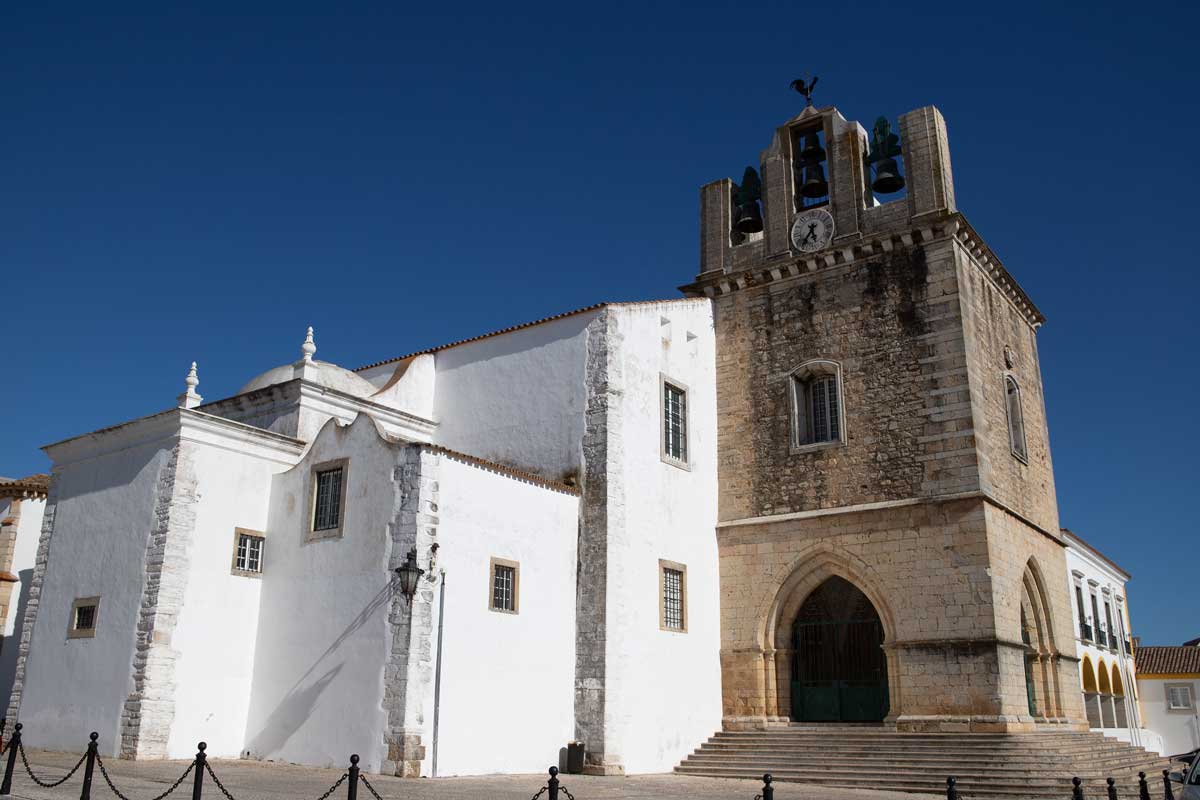
Faro Cathedral (Sé de Faro)
8 min walk
This 13th-century cathedral offers a view of the city from its tower and pairs well with local events focused on history.

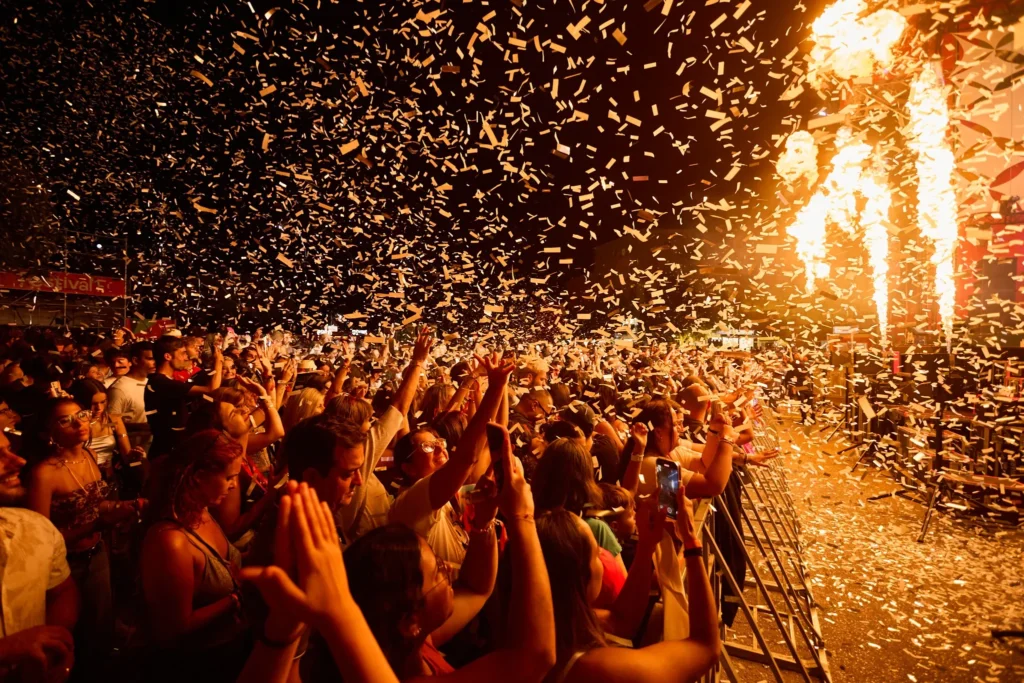
Faro hosts a rotating calendar of cultural events throughout the year, from traditional festivals rooted in centuries-old customs to contemporary music performances and seasonal markets. These gatherings occur at venues across the historic center, marina, and public squares, each tied to specific dates and local traditions. Understanding the rhythm of the city's event calendar helps visitors align their trip with the celebrations that match their interests.
Quick answer
Faro events take place year-round at various locations across the city, with no single venue or fixed admission fee—most festivals and public celebrations are free to attend, while ticketed concerts and performances vary by organizer. Major cultural peaks occur during religious holidays like Easter and the Feast of Our Lady of Carmo in July, along with summer music festivals between June and September. Event schedules shift annually, so checking the municipal calendar at cm-faro.pt before your visit ensures you catch the specific dates and venues for current programming.
Faro generates more than 40 cultural events annually, yet the city remains overlooked by travelers who assume the Algarve offers only beach access. The municipal calendar divides into three distinct periods: spring religious processions that wind through cobblestone lanes of the Cidade Velha, summer outdoor concerts staged at the marina and Teatro das Figuras, and autumn food markets in Largo de São Francisco where regional producers sell honey, medronho, and smoked sausage. Unlike Lisbon's centralized festival districts, Faro events spread across neighborhoods, requiring visitors to plan transit between the old town, waterfront, and suburban cultural centers. The Festa da Ria Formosa in late August transforms the harbor into an open-air stage for traditional boat races and seafood tastings, drawing fishing families from barrier islands who rarely interact with tourist circuits. Seasonal markets operate on weekends from October through December, when the crowds thin and vendors offer longer conversations about production methods. July's religious festivities honor Nossa Senhora do Carmo with evening processions departing from the Igreja do Carmo, attracting local families rather than international audiences—this distinction matters for photographers seeking authentic documentation instead of staged performances. Ticketed events cluster around the Teatro das Figuras season, which runs September through June with symphony performances, contemporary dance, and visiting theater companies. Tickets range from 8 to 25 euros depending on seating and production scale, available through the theater's box office or online portal. Street festivals require no advance booking but operate on tight schedules—the Motores ao Norte classic car rally occupies the marina for a single Sunday in May, and the Medieval Fair in Cidade Velha runs three days in late summer, both announced eight weeks ahead on the cm-faro.pt events page. Visitors often assume faro events follow the same seasonal pattern as Spain's coastal festivals, expecting late-night programming and multi-day celebrations. Faro's calendar reflects a working city's rhythm: most outdoor events conclude by 23:00 to respect residential noise ordinances, and single-day formats dominate except for the week-long Feira de Santa Iria in October. The city's compact geography means walking between three events in one evening remains feasible, but taxi availability drops after 22:00 outside summer months, making earlier arrival windows practical for anyone planning to attend multiple programs.
“Faro generates more than 40 cultural events annually, yet the city remains overlooked by travelers who assume the Algarve offers only beach access.”
Faro hosts various cultural and community events throughout the year at different locations across the city. Visitors should consult the official municipal portal at https://www.cm-faro.pt to verify specific schedules and venue details for their travel dates.
The city hosts parades and festivities during this period, which can lead to localized road closures and higher demand for local services.
One of the largest gatherings of its kind in Europe, this event brings thousands of visitors to the city and significantly impacts accommodation availability.
This traditional fair features rides, food stalls, and cultural performances, drawing local crowds to the Largo de São Francisco area.
The city center features seasonal decorations and community-led events, creating a festive atmosphere that is generally family-oriented.
Faro events are held at various locations across the city rather than at a single venue. Consequently, there are no standard operational hours for these events.
Faro events take place at various locations across Faro, Portugal, requiring visitors to navigate to specific venues. The most effective approach is to confirm the exact address of your event and use local transit options or walking to reach that site.
CP Regional train to Faro Station
Próximo local bus to city center
Walking within Faro historic center
Licensed taxi or ride-share to venue
Events are city-wide; check specific event schedules for venue-specific arrival times. Using a journey planner with the venue's precise address is recommended for the most efficient route.
Faro events often take place within the historic center, making it easy to pair your visit with key cultural landmarks. These nearby sites allow you to experience the heritage of the city before or after your scheduled activities.
8 min walk
This 13th-century cathedral offers a view of the city from its tower and pairs well with local events focused on history.
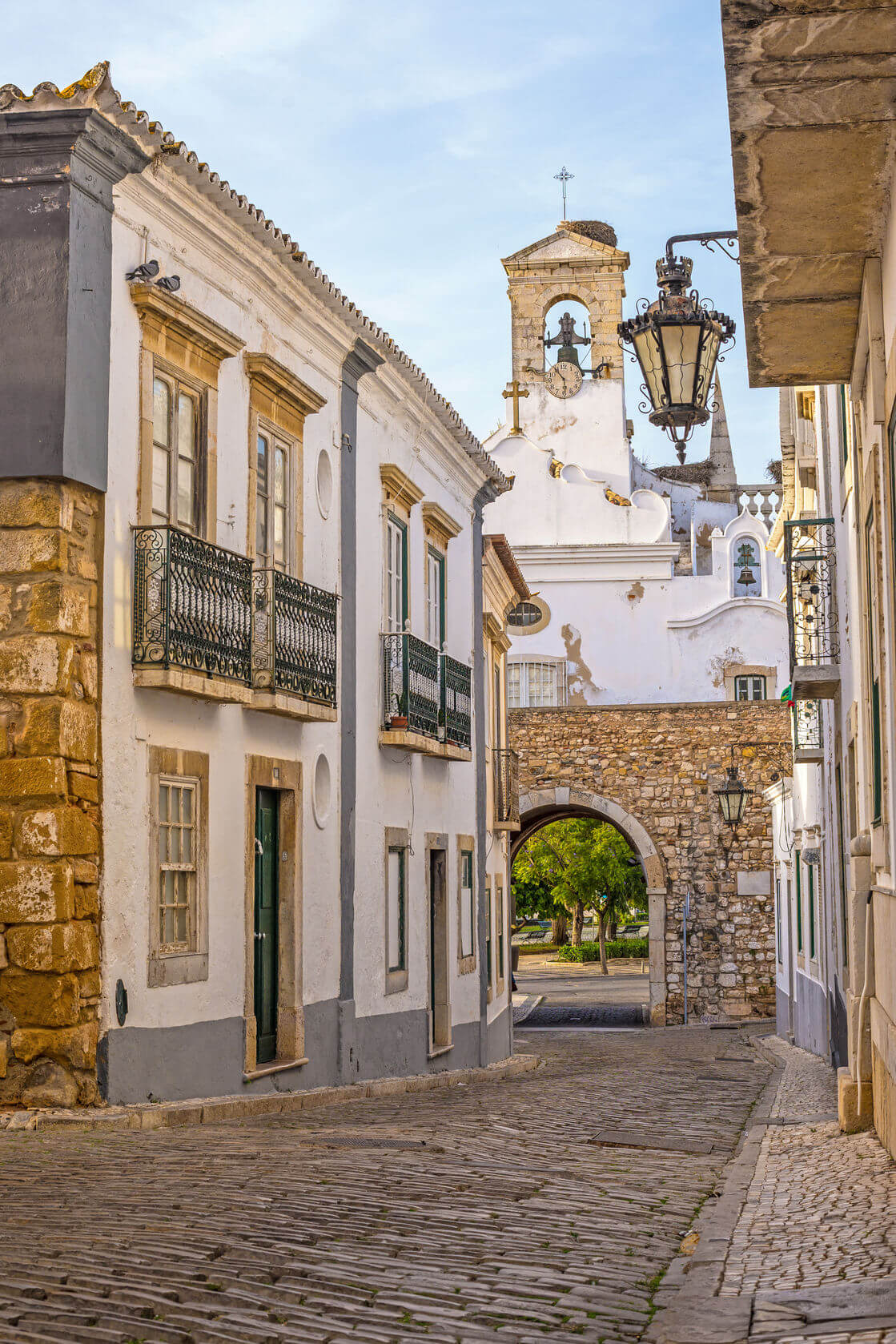
5 min walk
Navigating the cobblestone streets of the Old Town provides a logical route between various event venues in the city center.
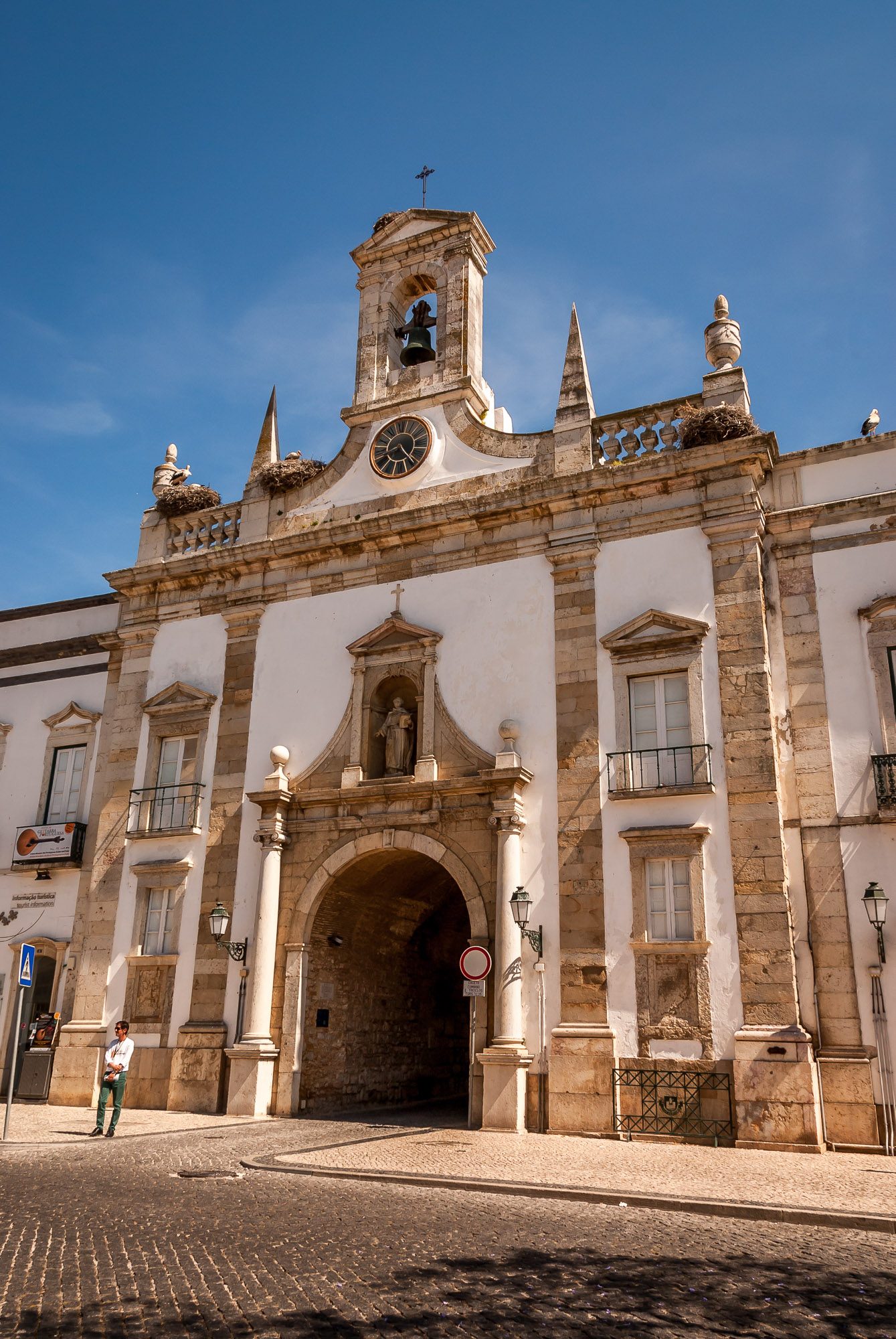
6 min walk
As the historic entrance to the city, this site serves as a central meeting point near many event locations.
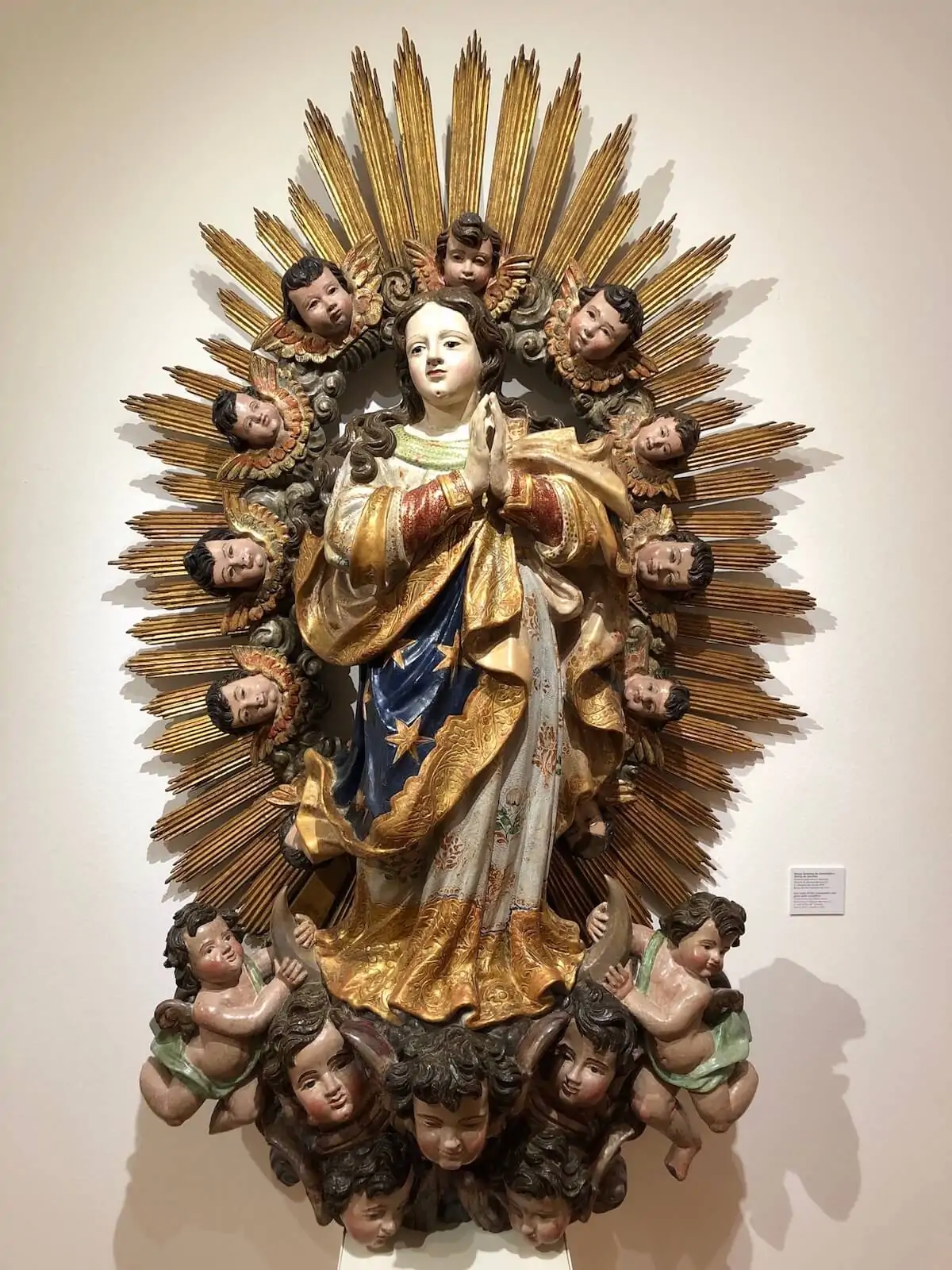
10 min walk
Located in a former convent, this museum provides context on the region's past for visitors spending time in the city.
Everything you need to know about faro events
No, faro events are not held at a single location but occur at various sites across the city. You should check the official municipality website to identify the specific venue for each activity.
To view the most current calendar of happenings, visit the official site at https://www.cm-faro.pt. This platform lists scheduled cultural performances, markets, and public festivities throughout the year.
There is no entrance fee for general public gatherings, as the cost is 0 EUR. Since these events take place in public spaces, there are no individual admission tickets to purchase.
Faro is highly walkable, and many city-wide social events are concentrated in the historic center. For venues located further away, the local bus network or taxis are the most reliable transport methods.
Yes, these public occasions are generally welcoming to families and visitors of all ages. Parents should check specific program details to ensure the content and timing suit children.
Advance booking is usually not required for open-air festivities. However, you should verify if specific, smaller venue gatherings require reservations through the official municipal channels.